
Puppet Ministers: How did the Bureaucrats Hijack our Democracy?

Updated: Mar 3, 2025

In a true representative democracy, elected officials are meant to be the voice of the people, setting policies that reflect the needs and desires of the public. But what happens when unelected bureaucrats start calling the shots instead? When ministers, who are supposed to be in charge, don’t even understand the policies being implemented under their watch? Welcome to New South Wales, where the Department of Primary Industries (DPI) seems to be running itself, with the minister nowhere to be seen.
Who’s Really in Charge? Bureaucrats or Elected Officials?
Government departments are full of career bureaucrats—public servants who keep things running behind the scenes. They provide expertise and stability, which is great in theory. But here’s the problem: when ministers don’t understand what’s going on, these bureaucrats end up making policy decisions with no public accountability. That’s not democracy; that’s government by faceless administrators.
Minister Moriarty and the NSW DPI: Who’s Running the Show?
If you thought your local elected representative was making the big decisions, think again. NSW Minister for Agriculture, Regional NSW, and Western NSW, Tara Moriarty, has been raising eyebrows for all the wrong reasons. During Budget Estimates hearings, she turned up without even bringing a copy of the budget. That’s like showing up to an exam without a pen—or even knowing what subject you’re sitting!
When a minister doesn’t grasp the policies in their own department, it’s a free-for-all for bureaucrats, who step in and set their own agenda. And once that happens, it doesn’t matter which political party is in power—the same policies roll on, unchecked, year after year.
The Commercial Fishing Industry: Bureaucratic Destruction in Action
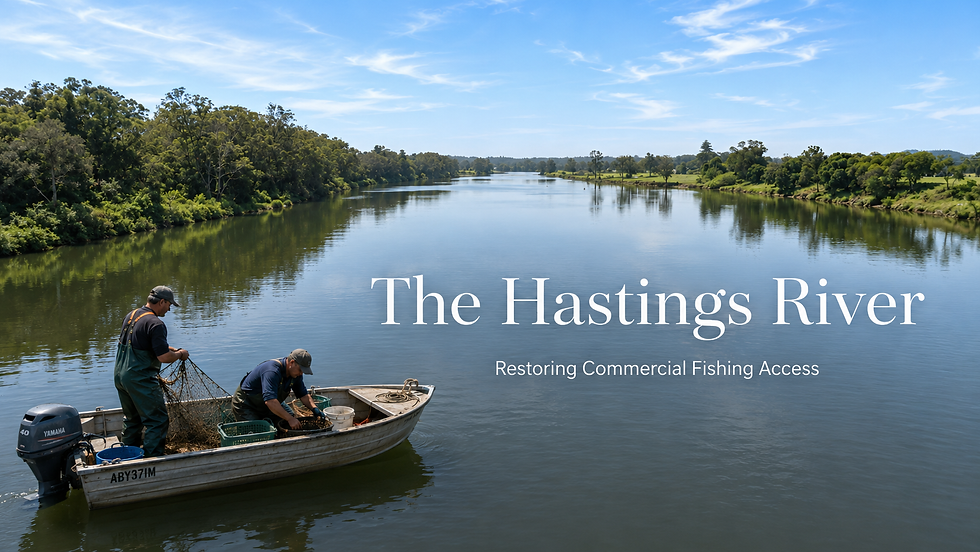
A perfect example of this bureaucratic stranglehold is the slow but deliberate destruction of NSW’s commercial fishing industry. No matter which government has been in power, the removal of commercial fishing licences and restrictions on local fishers has continued without interruption. The result? Less locally caught seafood for Aussie consumers, more reliance on imported fish, and entire fishing communities being wiped out.
This isn’t about party politics—it’s about a broken system where bureaucrats outlast ministers and keep pushing the same policies, no matter who’s in charge.
Who Wins and Who Loses?
Everyday Aussies lose access to fresh, local seafood while supermarkets fill their shelves with imported products that don’t meet our standards.
Small commercial fishers are driven out of business, crushed under regulations created by bureaucrats driven by ideology.
Regional communities suffer, as fishing businesses shut down, leaving towns without jobs and without a future.
Ministers Need to Step Up—Or Step Aside
If ministers are supposed to serve the public, they need to actually know what’s happening in their own departments. They should be leading the conversation, not blindly signing off on whatever reports land on their desks. If they can’t do that, then what’s the point of electing them at all?
What Needs to Change?
Ministers must understand their portfolios – Turning up unprepared isn’t just embarrassing; it’s dangerous. Parliamentary hearings shouldn’t be pointless theatre—they should be real opportunities for accountability.
Bureaucratic decision-making must be transparent – Who is actually pulling the strings? The public has a right to know who’s making policy and why.
Industry voices must be heard – Instead of letting career bureaucrats dictate policy from their Coffs Harbour offices, **commercial fishers and other affected groups need a real seat at the table, not seats held under confidentiality agreements like the Ministerial Fisheries Advisory Council (MFAC) and Commfish.
Final Thoughts
If we want to keep our democracy truly representative, we need elected officials who actually control policy, not a bureaucratic system that runs on autopilot. Minister Moriarty’s weak grasp of her own department isn’t just a political problem—it’s a warning sign that we’re losing control over our own government.
If this continues, we won’t just be losing fresh seafood—we’ll be losing democracy itself.
It’s time to demand better leadership and real accountability—before it’s too late.
New articles every Monday and Thursday


Comments